Routine maintenance is all the small stuff that keeps a car running the way it should. Oil, fluids, filters, belts, and the parts that wear down slowly over time instead of breaking all at once. None of it feels urgent until it is, and that's usually the moment it costs more to fix. Oil breaks down and stops protecting the engine the way it should. Belts get brittle and crack. Fluids run low without any dramatic sign, just a slow drop over weeks or months. None of these things announce themselves loudly. They just quietly get worse until one day they're not quiet anymore, and that's when a small job turns into a bigger repair bill and a car that's stuck at home instead of on the road.
Signs Your Car Is Due For A Check
- It's been a while since your last oil change
- Dashboard maintenance light is on
- Car feels rougher or louder than it used to
- You hear a new squeak or rattle driving over bumps
- Steering feels looser or vaguer than before
- You can't remember the last time someone looked under the hood
The signs that maintenance is overdue are often quiet. A maintenance light on the dash that's easy to put off. An oil change that's a few months late because life got busy. A car that just feels a little rougher than it used to, a little slower to respond, a little noisier on cold mornings. None of it screams for attention, which is exactly why it gets ignored until something else forces the issue. People get used to a car that doesn't quite feel right and forget what it felt like when everything was working the way it should. That gap between how a car feels now and how it used to feel is usually the clearest sign that it's time for a look under the hood.
When we come out for routine maintenance in Lakewood, we check more than just the one thing you called about. That includes fluid levels, belts, hoses, and anything else that's easy to miss but easy to catch early. A low coolant level or a hose that's starting to soften can turn into an overheated engine on a hot day if nobody notices in time. We'd rather find that kind of thing while it's still a five minute conversation instead of a tow truck call. So we look at the whole picture during the visit, not just the single item on the work order, so you're not surprised by something bigger showing up a few weeks down the road when you least expect it.
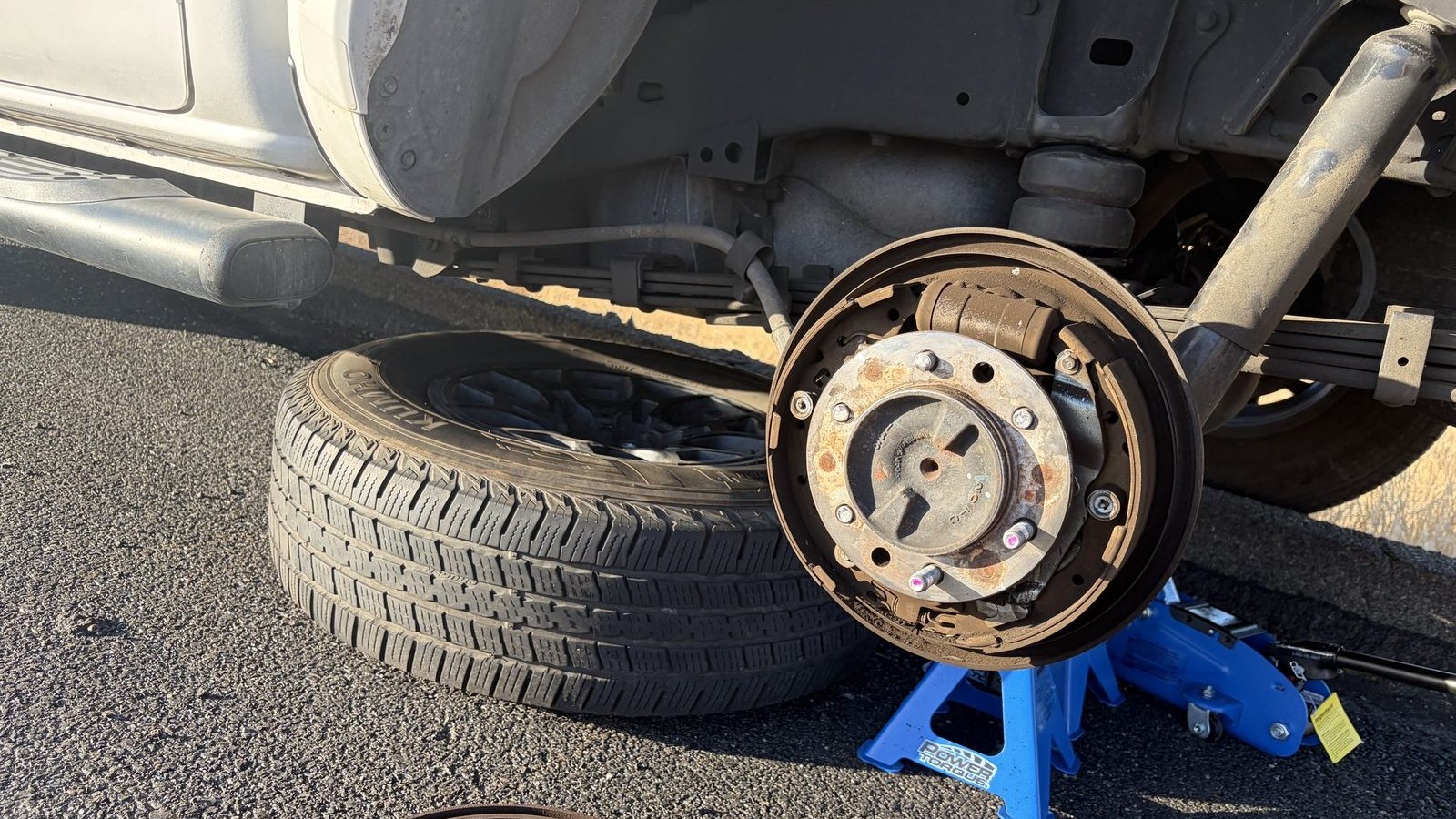

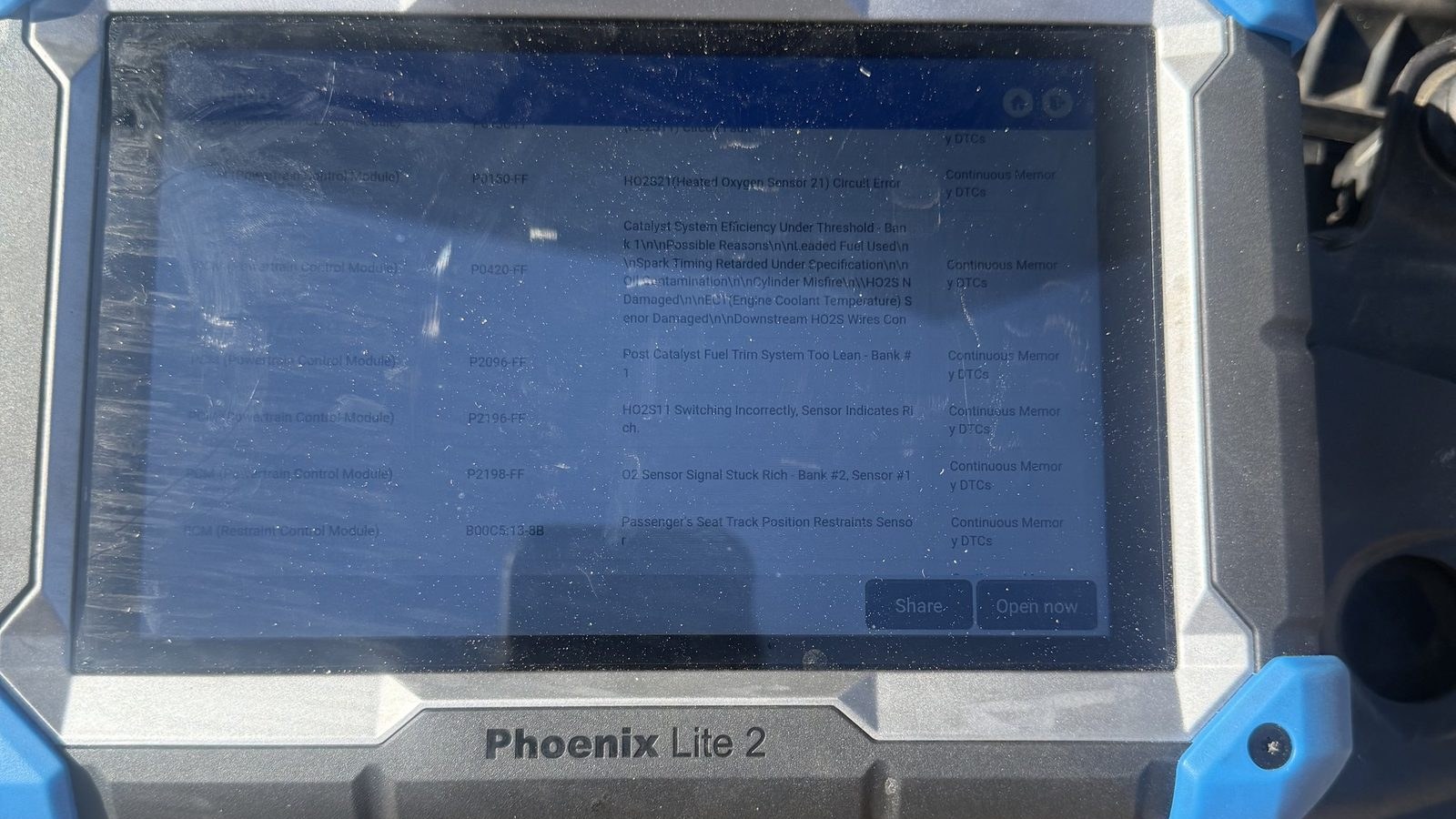
A typical visit covers an oil change, checking and topping off fluids, inspecting belts and hoses for wear, and looking over brakes and tires for anything that needs attention. Oil keeps the engine's moving parts from grinding against each other, and it needs to be clean and at the right level to do that job. Belts and hoses control things like the alternator, water pump, and cooling system, so a crack or a fray is worth catching before it snaps. Brakes and tires get checked because they're the parts actually keeping the car stopping and gripping the road. We walk through what we find so you know what's fine, what's wearing down, and what's worth keeping an eye on before the next visit.
What changes the scope of the visit is mostly how long it's been since the last service and what your specific car needs. A car that's been kept up on a regular schedule is usually a quick visit, since there's not much to catch up on and most things check out fine. One that's gone a long stretch without any attention might need more than one thing addressed at once, since small issues tend to pile up quietly when nobody's been looking. Mileage, driving habits, and the age of the car all play a part too. A car used for a lot of short trips around Lakewood and Wheat Ridge wears differently than one that mostly sees highway miles, and that affects what needs checking first.
This kind of work matters just as much for a car that seems fine as one that's already acting up. Fluids and belts don't wait for a convenient time to wear out, and a car that feels totally normal today can still be a few months past due on something important. That's part of why we handle routine maintenance alongside things like engine diagnostics, brake repair, and battery replacement service, since a lot of the bigger problems we get called out for start as small maintenance items that got pushed back one too many times. Keeping up with the basics is usually the cheapest and easiest way to avoid an emergency repair call later, especially for anyone driving around Golden, Arvada, or the rest of the metro Denver area on a daily basis.
Until your maintenance visit, just keep an eye on the basics. Dashboard lights that come on and stay on, unusual noises like grinding, ticking, or squealing, and any fluid spots showing up under the car in the driveway. None of those need to turn into an emergency if they get looked at on a normal schedule instead of waiting for something to break down on the side of the road. A quick glance under the car every so often and a little attention to how the engine sounds can catch most problems early. We bring the tools and the checklist to you, so routine maintenance doesn't have to mean finding time to sit in a shop waiting room.
What to Tell Us When You Call
- Year, make, and model of your car
- Roughly how many miles are on it
- When the last oil change or service happened
- Any specific noises or issues you've noticed

 Supercanic