
Cars never pick a good time to break down. A belt snaps on the way to work, a hose bursts in the middle of Colfax Ave, a battery finally gives out in a cold driveway, or something under the car starts grinding on the drive home. These things happen without warning, and when they do, most people are stuck wondering whether to call a tow truck, a shop, or just hope the car makes it one more mile. That is where emergency repairs come in. Instead of guessing what is wrong or risking more damage by continuing to drive, we come out to wherever you are in Lakewood and the surrounding area and take a look at the actual problem in front of us, not a description of it over the phone.
Signs You Need Help Right Now
- Grinding noise that started suddenly and won't stop
- Car won't start and you're stuck in a parking lot or driveway
- Warning light came on and the car feels different to drive
- Steam or smoke coming from under the hood
- Loud bang or thump followed by a shaking steering wheel
- Brakes feel soft or the pedal sinks to the floor
The warning signs that something is seriously wrong are usually hard to miss. A sudden grinding or knocking noise from the engine or wheels, smoke curling out from under the hood, a brake pedal that sinks too far to the floor, or a car that simply will not start are all signs the vehicle needs real attention. These are not problems you want to diagnose yourself on the side of the road. A grinding noise could mean a worn out brake pad metal on metal, or it could be something inside the engine. Smoke could be coolant, oil, or an electrical issue. Each of these needs eyes on the vehicle to know for sure, which is the whole point of calling someone out instead of guessing.
When we arrive, the first step is never jumping straight to a fix. We start with a visual inspection, checking for anything obviously loose, leaking, or damaged. If there is a noise, we listen closely to figure out where it is coming from and what it sounds like, since a squeal, a grind, and a knock all point to different problems. We also check fluids, belts, and the battery depending on what symptoms brought us out there. A car that will not crank points one direction, a car that cranks but won't start points another. Taking this time up front means we are fixing the actual problem instead of throwing parts at a guess, which saves time and avoids paying for work that was never needed.
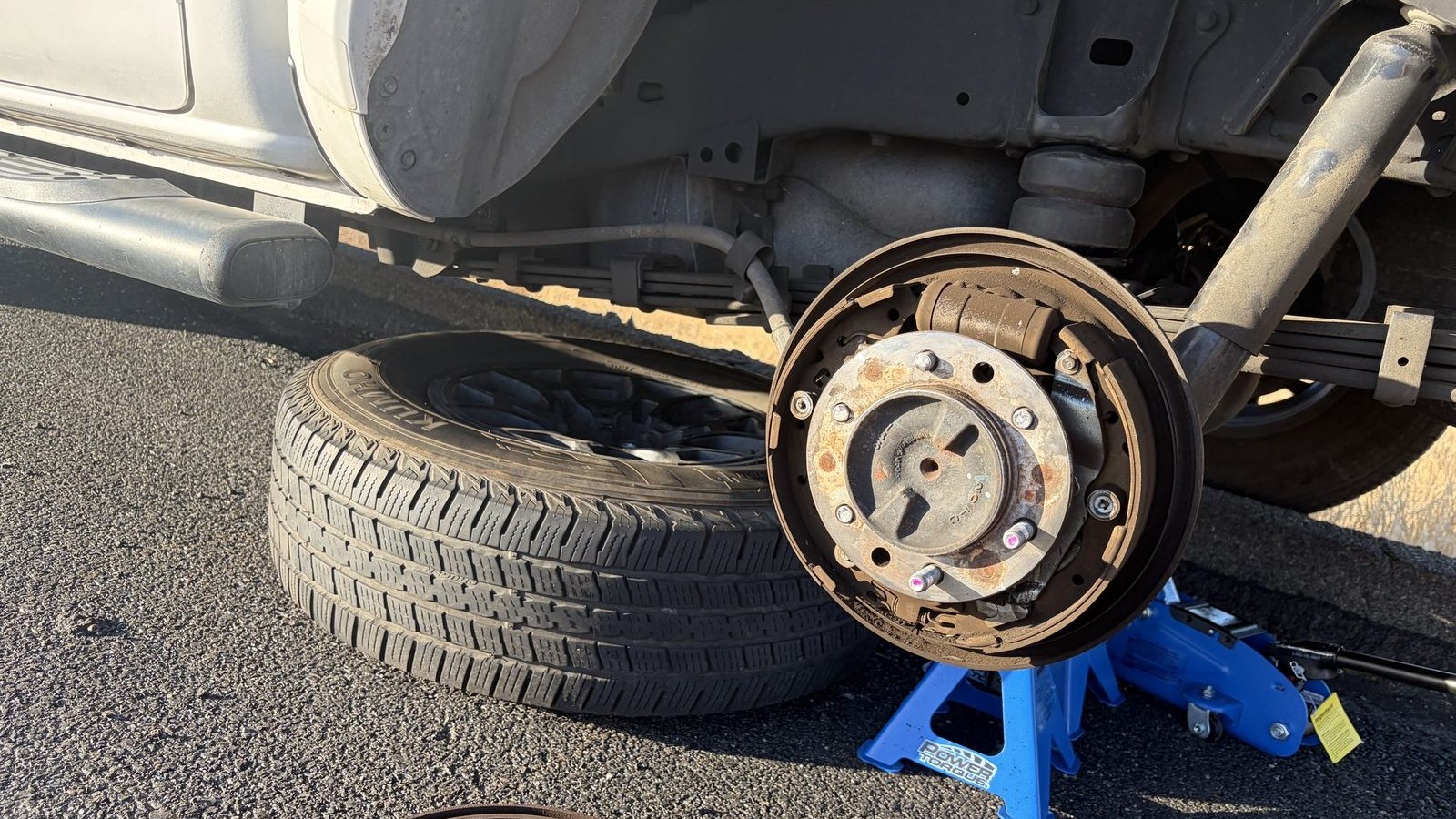

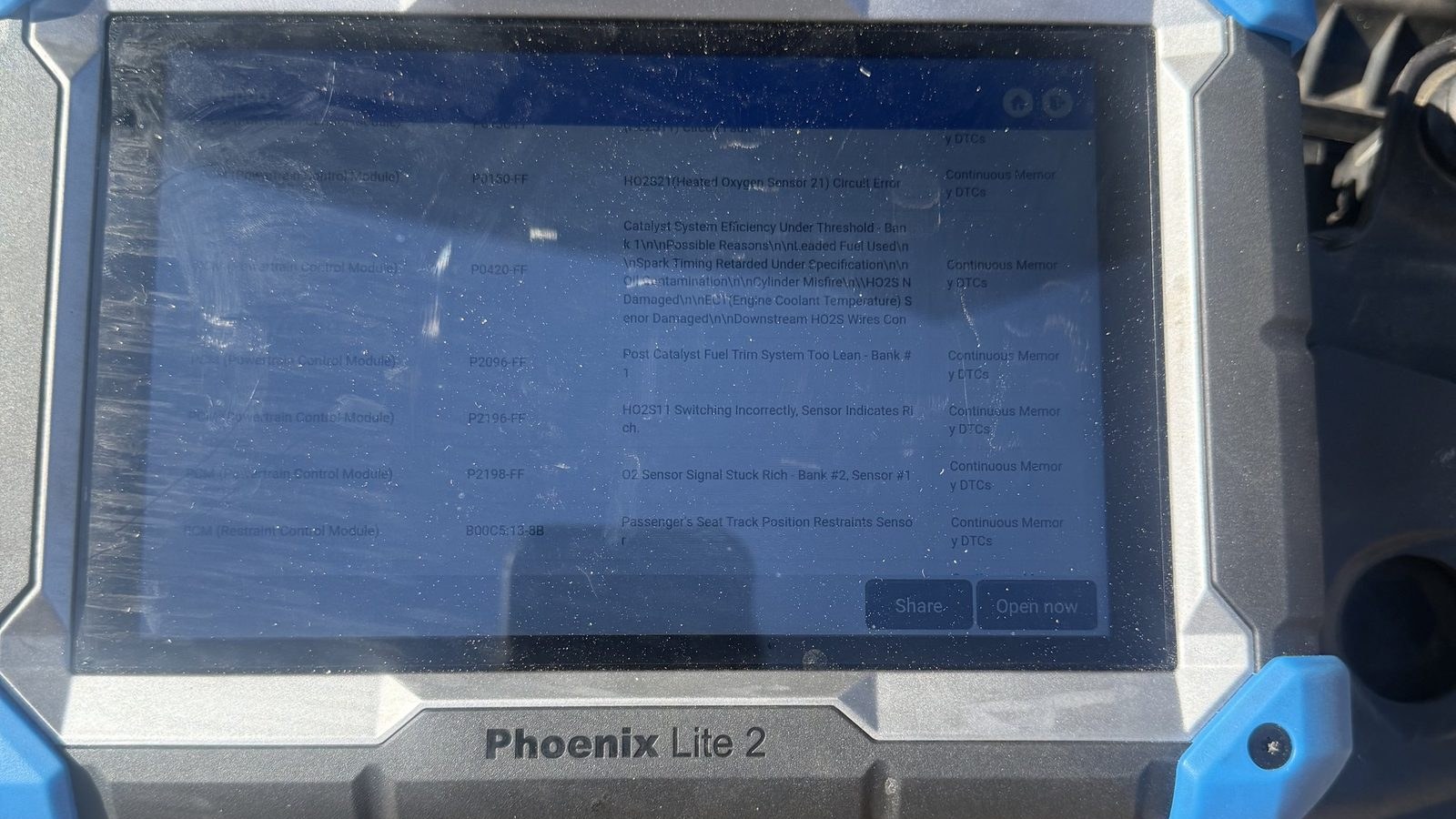
Once we have a clear picture of what is wrong, we walk you through what the repair actually involves before any wrench touches the car. Some emergency repairs are simple and can be handled right there in the driveway or on the shoulder of the road. A dead battery, a stuck or slipped belt, or a loose connection are common examples of fixes we can usually knock out on the spot. Other problems are bigger. If the issue needs a part we do not have with us, or if it turns out to be something deeper than it first looked, we will tell you plainly what that means and what the next steps look like. No guessing games, just a clear explanation of what we found and what it will take to fix it.
Not every emergency is the same size, and a lot of that comes down to what broke and how easy it is to get to. A dead battery replacement or a split hose is usually straightforward, since those parts sit in accessible spots and do not take long to swap or patch. Something buried deep in the engine bay, or a problem connected to the transmission, is a different story. Those jobs take more time to diagnose correctly, sometimes require special tools, and occasionally need more than one visit to finish properly. Knowing this ahead of time helps set realistic expectations instead of assuming every roadside problem fixes itself in a few minutes.
While you are waiting, the most important thing is knowing when to stop driving altogether. If something feels seriously wrong, like grinding brakes, a steering wheel that shakes at speed, or a burning smell, the car needs to stop moving. Continuing to drive on a failing brake system or a slipping belt can turn a manageable repair into a much bigger one, and it puts you at real risk on the road. Pull over somewhere safe and away from traffic, put your hazards on so other drivers can see you, and give us a call. Tell us exactly where you are so we know where to head.
This kind of work is part of why we serve such a wide stretch of the metro area, not just Lakewood itself. We regularly get called out to Wheat Ridge, Edgewater, Golden, Arvada, Sheridan, and the smaller communities around them, because breakdowns do not care about city lines. Whether it is a dead battery in a driveway in Mountain View or a grinding noise on the highway near Lakeside, the approach stays the same: get there, figure out what is actually wrong, and explain the options in plain terms. Our own line is that we bring the shop to you, and emergency calls are where that matters most, since the whole idea is meeting the car where it stopped instead of asking it to limp somewhere else first.
What to Tell Us When You Call
- Your exact location, address or nearby landmarks
- What the car is doing, noise, smell, warning lights
- Year, make, and model of the vehicle
- Whether the car is drivable or completely stuck
 Supercanic