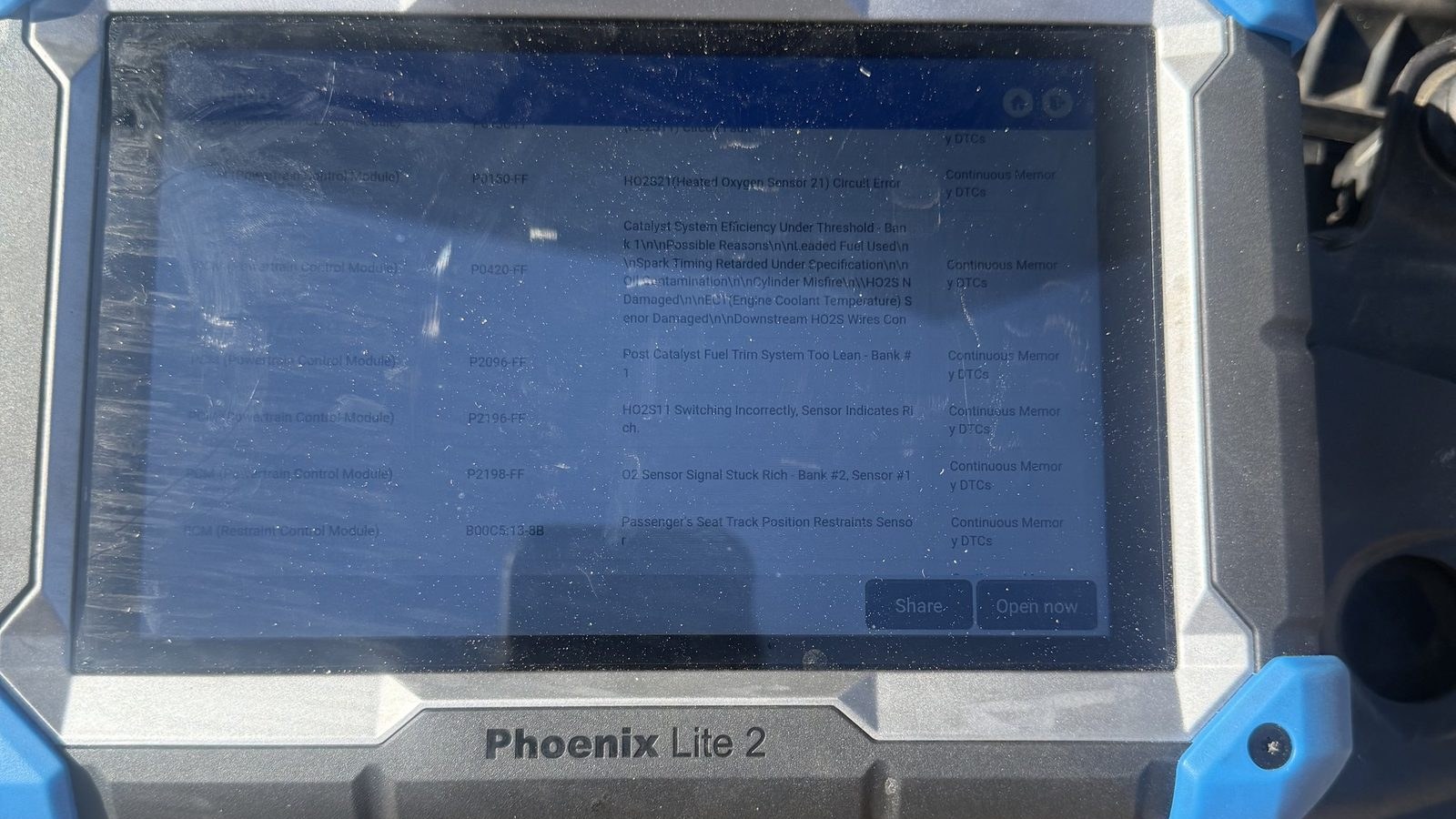
In Sheridan, the calls we get most often are about cars that are grinding on the way home, batteries that die without warning, or check engine lights that pop on and stay on. Some drivers notice their brakes feel soft or hear a squeal every time they slow down. Others just know something is off but cannot say what, and that is normal. Cars give small warnings before they give big problems, and most people do not drive enough to notice the slow change. That is where engine diagnostics comes in. We hook up to the car, pull the codes, and look at what the sensors are actually reporting before we recommend any repair. That way you know what is wrong, why it is happening, and what it will take to fix it, instead of guessing or replacing parts that were never the problem.
The jobs we handle most for Sheridan drivers are brake repair, oil change, and battery replacement service. These come up again and again because they are tied to daily driving, not just sudden breakdowns. Brake pads wear down a little every time you stop, oil breaks down the longer it sits in a hot engine, and batteries lose their charge capacity year after year, especially once cold weather sets in. We also handle routine maintenance, which is often the easiest way to catch a small issue before it turns into a car that will not start or a brake job that could have been simpler six months earlier. If it has been a while since anything on your car was checked, that is usually the smartest place to begin, even if nothing feels wrong yet.

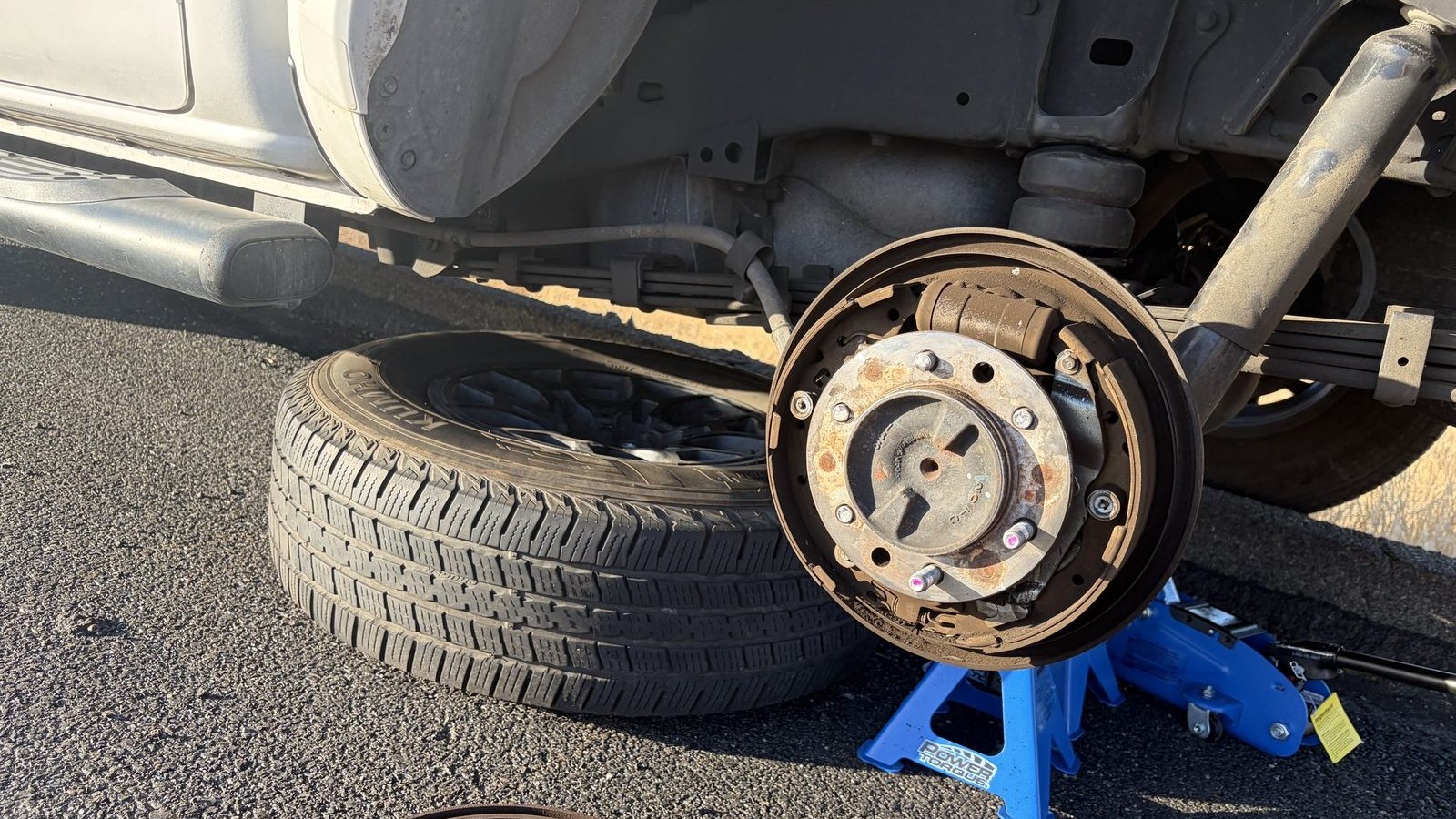
Most of the time we meet the car right where it is in Sheridan, whether that is a driveway, a workplace parking lot, or the shoulder of the road if something gave out without warning. Being a mobile mechanic means the repair happens at your location instead of you arranging a tow truck or finding a ride to a shop across town. That matters most when the car cannot be driven at all, since a dead battery or a seized brake caliper does not care what your schedule looks like. Instead of figuring out logistics on top of a car problem, you call, we come to you, and the work gets done in the spot where the car already sits, whether that is at home or stuck somewhere unexpected.
Getting started is simple. You call or send a message describing what the car is doing, we figure out timing, and we get the location in Sheridan where the vehicle is parked or stalled. When we arrive, we either run diagnostics to pin down the issue or move straight into the repair if the problem is already obvious, like a dead battery, a flat tire, or brake pads worn down to metal. We talk through what we found before any work begins, including what caused it and what it will take to fix, so there are no surprises once the repair is underway. That conversation matters because some fixes are urgent and some can wait, and you should be the one deciding which is which with good information in hand.
When you reach out, give us the year, make, and model of the car along with a clear description of the symptom, whether that is a grinding noise, a dashboard warning light, or a car that simply will not start. Mention any sounds, smells, or patterns you have noticed, like the noise only happening when you turn or the car struggling to start in the cold. Let us know if the vehicle is drivable or stuck exactly where it sits. That information helps us show up with the right tools and parts already in hand, instead of making a second trip once we figure out what the car actually needs.
Sheridan drivers choose A1 mobile mechanic because we bring the repair to them, covering everything from brake repair and oil changes to battery service and emergency calls. There is no need to arrange a ride, wait around a shop lobby, or figure out how someone else is going to drive your car across town. We come to the driveway, the office lot, or the roadside, and handle the work on the spot. Serving the metro Denver area means we are used to the hills, the stop and go traffic, and the temperature swings that put extra strain on brakes, batteries, and engines in this part of Colorado, so we know what tends to go wrong here and why.
Sheridan sits close enough to the rest of the metro area that drivers here deal with the same mix of city streets and highway miles, which wears on a car in specific ways. Short stop and go trips are hard on brakes and batteries, while longer highway stretches put more heat stress on the engine and fluids. Knowing which kind of driving you do most can help explain why a certain part failed first. Whether you need a quick look at a warning light or a full repair after something finally gave out, the goal is the same: figure out what the car needs, explain it clearly, and take care of it at your location without adding extra steps to an already frustrating day.

 Supercanic