
Your engine runs on a web of sensors, wires, and a computer that adjusts fuel and timing hundreds of times a minute. Every cylinder fires on a schedule, every injector pulses for a fraction of a second, and the computer is reading data the whole time to keep that timing right. When one sensor drifts out of range or a wire corrodes, the computer either compensates poorly or shuts a system down to protect the engine. That is when the check engine light comes on. It is not always serious, but it always means something changed. Ignoring it does not make the underlying issue go away, it just means you are driving without knowing what the car is compensating for under the hood.
Signs You Need Engine Diagnostics
- Check engine light on steady or blinking
- Engine stumbles or hesitates when you accelerate
- Rough idle or the car shakes at a stop
- Noticeable loss of power going uphill
- Car smells like gas or exhaust inside the cabin
- Random stalling with no clear pattern
Drivers usually notice the check engine light first, but the car often gives other hints before or after that light shows up. A rough idle, a hesitation when you step on the gas, or a sudden drop in fuel mileage are common signs something is off. Some people notice a faint gas smell near the tank or exhaust, or hear a new ticking sound coming from under the hood. Others feel the car hunt for power on hills it used to climb without effort. None of these symptoms tell you the exact part number or wire at fault, just that it is time to plug in a scanner and look closer before the problem gets worse or spreads to another system nearby.
We start every job by pulling the stored codes with a scan tool, but we do not stop there and call it done. Codes point to a system, like the fuel trim or an oxygen sensor circuit, not always the exact failed part. A code can be accurate but still misleading if you do not check what triggered it. We check related wiring, connectors, and live sensor readings in real time to confirm what the code is actually telling us. That extra step matters, because swapping a part based on a code alone sometimes fixes nothing if the real problem is a corroded connector or a vacuum leak feeding bad data to that sensor in the first place.
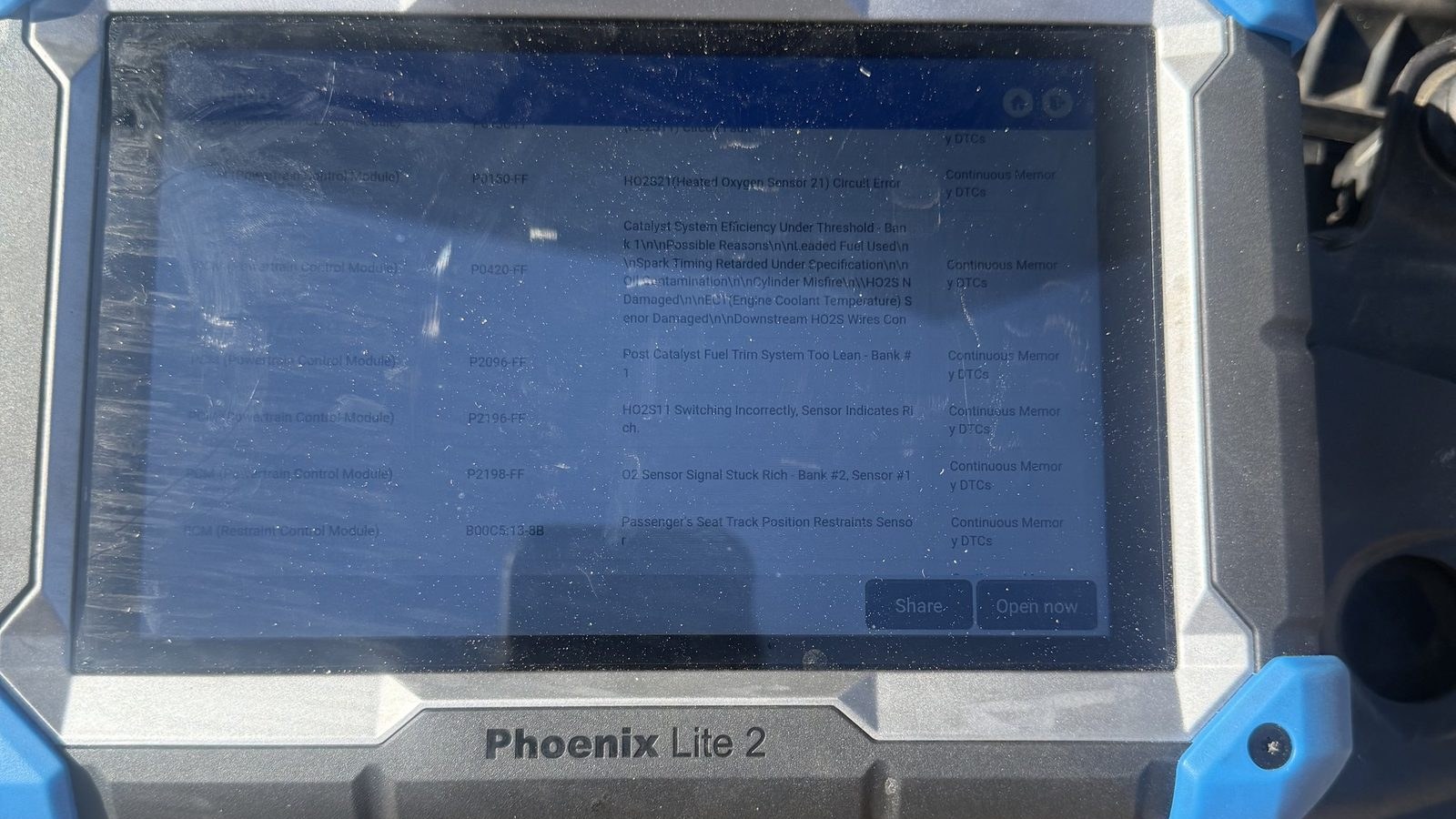

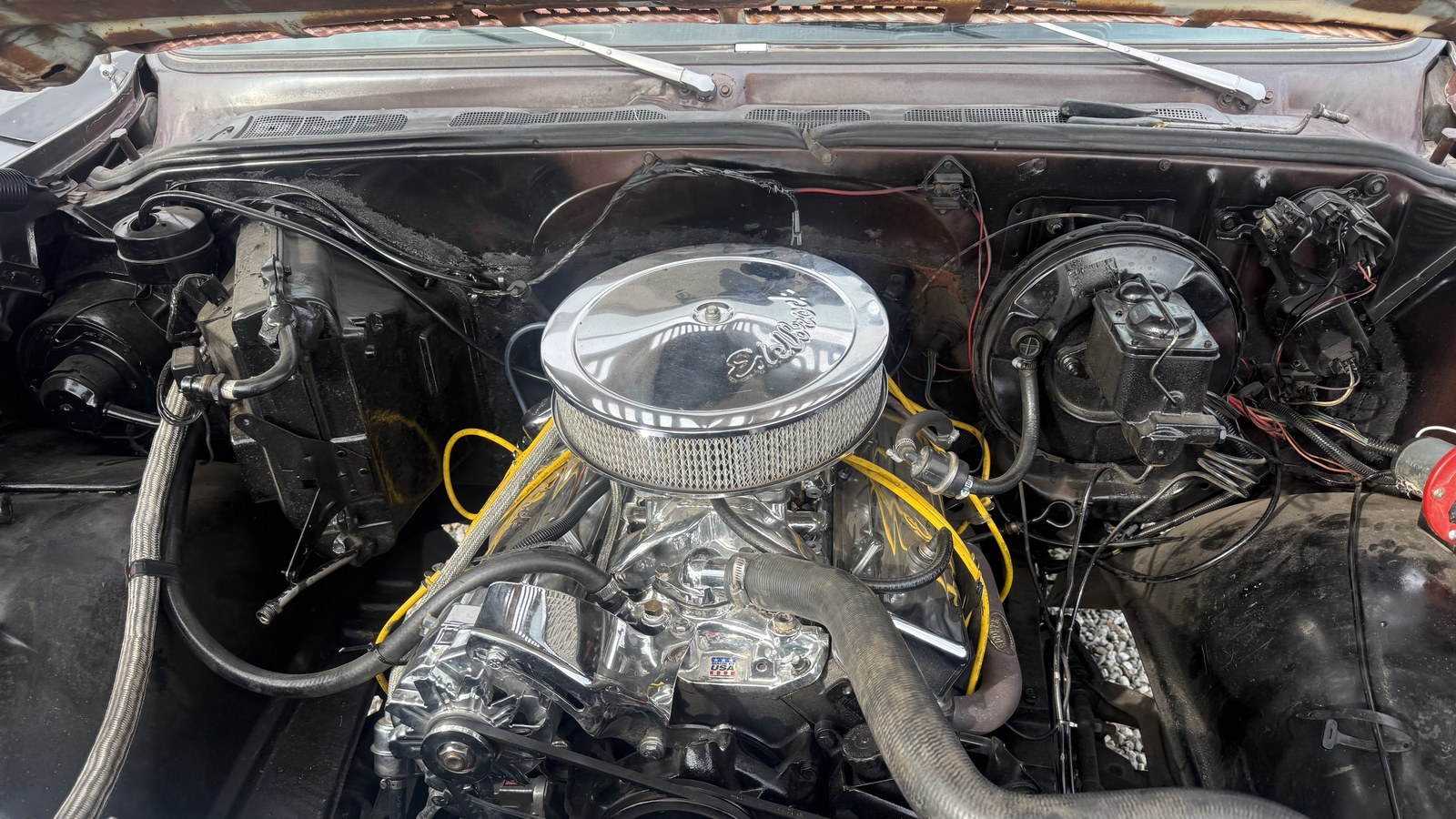
The job itself starts with connecting the scanner to the car's diagnostic port and pulling freeze frame data, which shows what the engine was doing the moment the fault was recorded. That snapshot includes things like engine speed, coolant temperature, and load, which helps narrow down what was actually happening. From there we may test fuel pressure, check for vacuum leaks around hoses and intake gaskets, inspect spark components like plugs and coils, or watch live data streaming from the sensors while the engine runs under different conditions. We explain what we find in plain language, not strings of code numbers, so you understand what is actually going on with your engine before any work moves forward.
A simple sensor issue, like a failed oxygen sensor throwing a clear and consistent code, is usually a short visit to confirm and address. If the problem is intermittent, only showing up under certain conditions, or hidden somewhere in the wiring harness, it takes longer to isolate because it will not always show itself on command. Multiple stored codes at once add another layer, since one failure can trigger several others downstream. In those cases we trace backward to find which code caused the rest, rather than chasing each one separately. That approach saves you from paying to fix symptoms while the actual root cause, like a single bad connector, keeps causing new codes to pop up.
If the check engine light is flashing instead of steady, that usually signals an active misfire dumping unburned fuel into the exhaust system, which can damage the catalytic converter fast. Try to avoid driving the car hard or far in that condition, and get it looked at as soon as you reasonably can. A steady light usually means you have some time to plan around your schedule, but do not let it sit ignored for weeks on end. The longer a misfire, vacuum leak, or fuel delivery issue runs unchecked, the more wear it puts on other parts nearby, including the converter, spark plugs, and even the engine's internal components over time.
We bring the engine diagnostics work to you, whether that is at home, at work, or wherever the car happens to be sitting in Lakewood or one of the nearby communities. We cover the metro Denver area, including Wheat Ridge, Edgewater, Arvada, Golden, and Sheridan, so you are not stuck figuring out how to get a car with a dashboard warning light to a shop across town. Our hours run 9 am to 10 pm every day of the week, which gives you some flexibility around work or family schedules. If your check engine light just came on, or you are dealing with a rough idle or a mystery ticking sound, give us a call at 720-695-4098 and we will talk through what you are seeing.
What to Tell Us When You Call
- Year, make, and model of the car
- What the check engine light is doing, steady or flashing
- Any symptoms you have noticed like stalling or rough idle
- Your location in or around Lakewood for the visit
 Supercanic